
Trading Volatility
Sequence Wiki — General
Table of contents
- A general note on volatility
- How does this correlate with the type of trades that our system makes?
- Conversely, how does this correlate with a higher volatility month?
- Factors impacting volatility
- Example Volatility Return Profile (Bybit - single account)
- Example Growth In Equity (Bybit - single account)
Key terms on this page
A general note on volatility
For all strategies, Sequence requires bidirectional price action and to close trades. We wanted to explain this with a few charts.
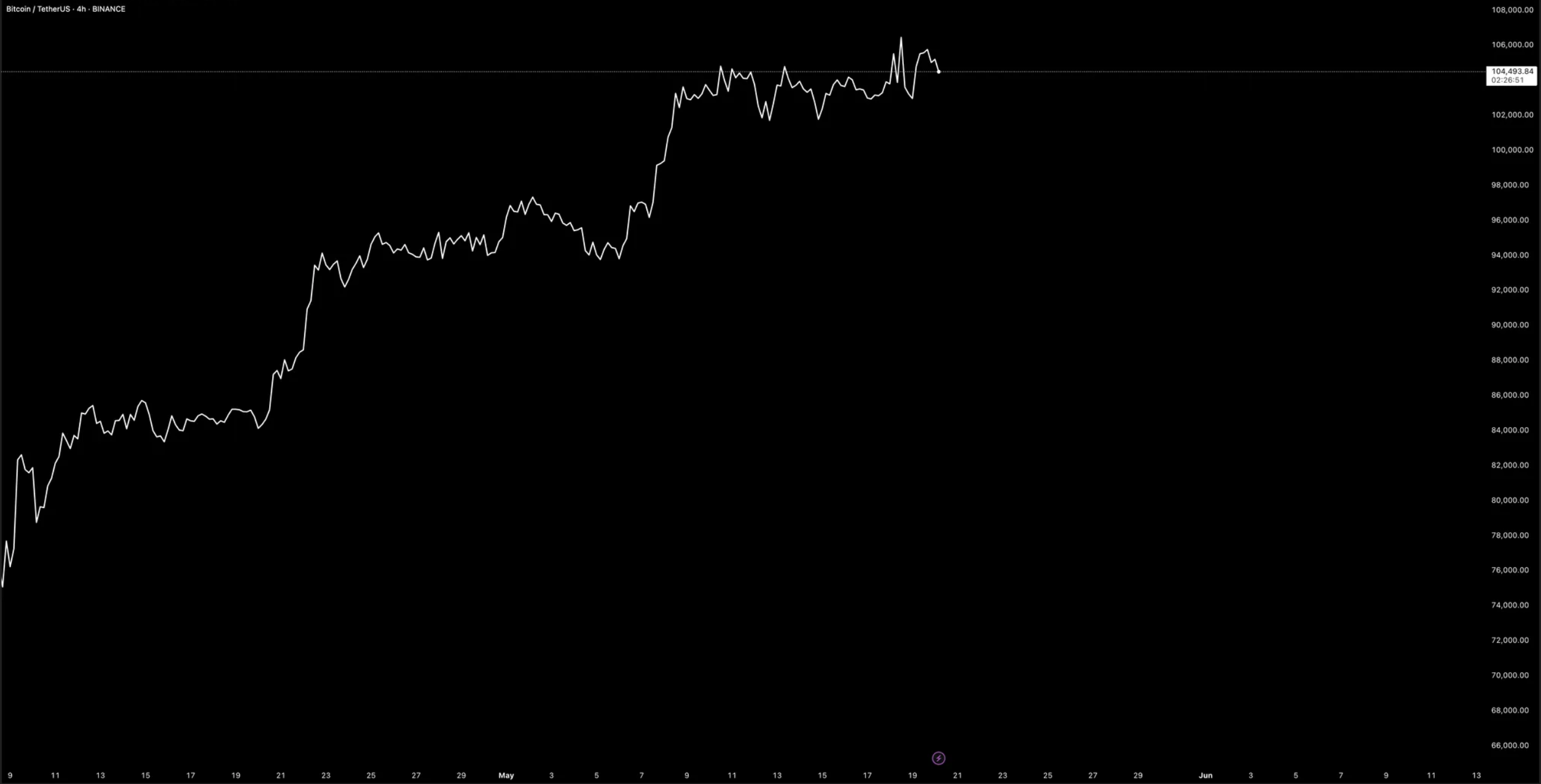
The stairs up: in a strategy, we need pull backs in order to place trades. This kind of price action benefits hodlers, not traders.
While those holding the asset will benefit from an increase in the value of their portfolio, from a trading perspective - it is nearly impossible to get an entry
How does this correlate with the type of trades that our system makes?
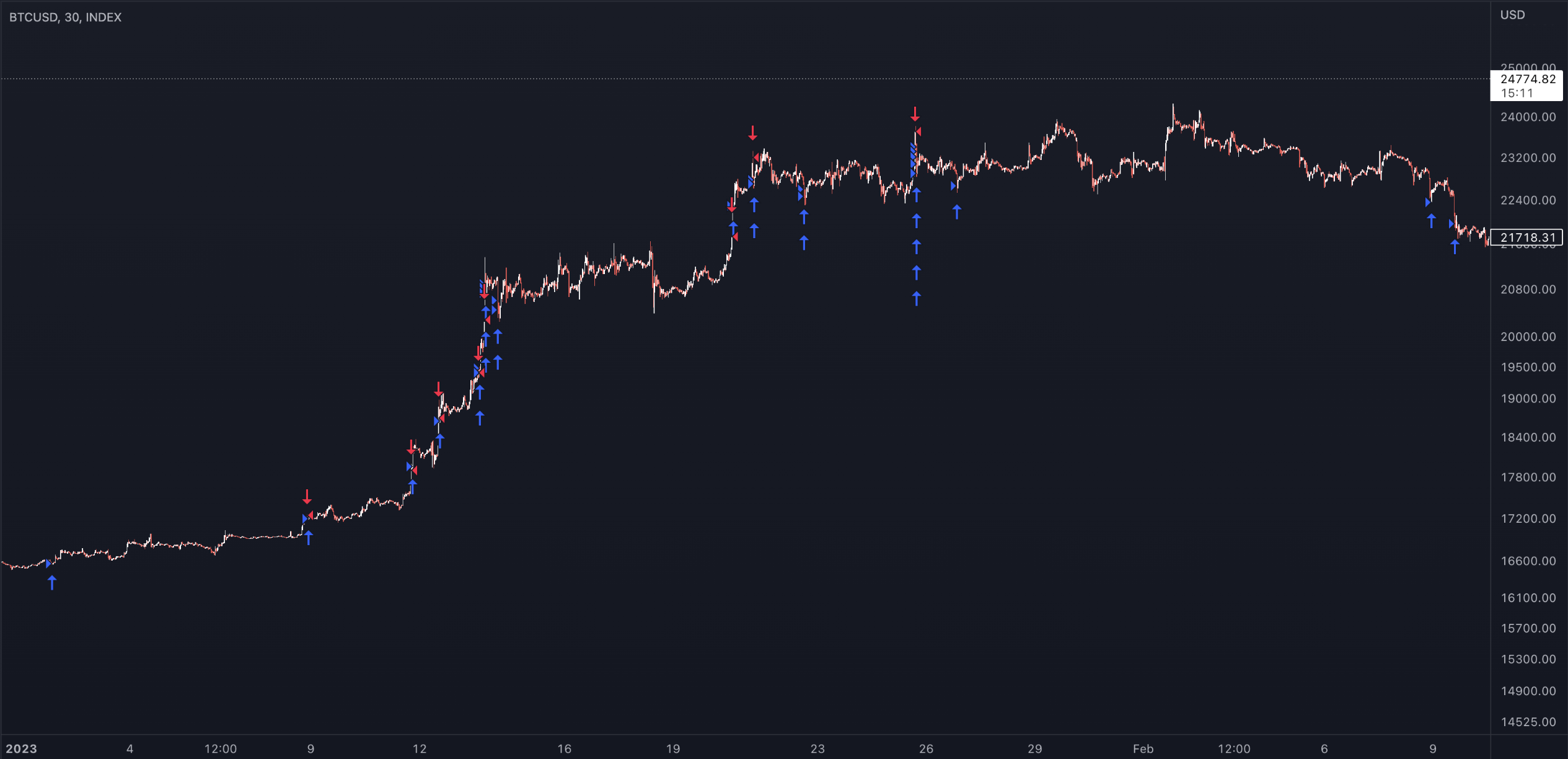
Low volatility = profitability month: The stairs up in this period correlated to a 0.48% month. In the first half of the month, it is a challenge to enter trades.
Conversely, how does this correlate with a higher volatility month?
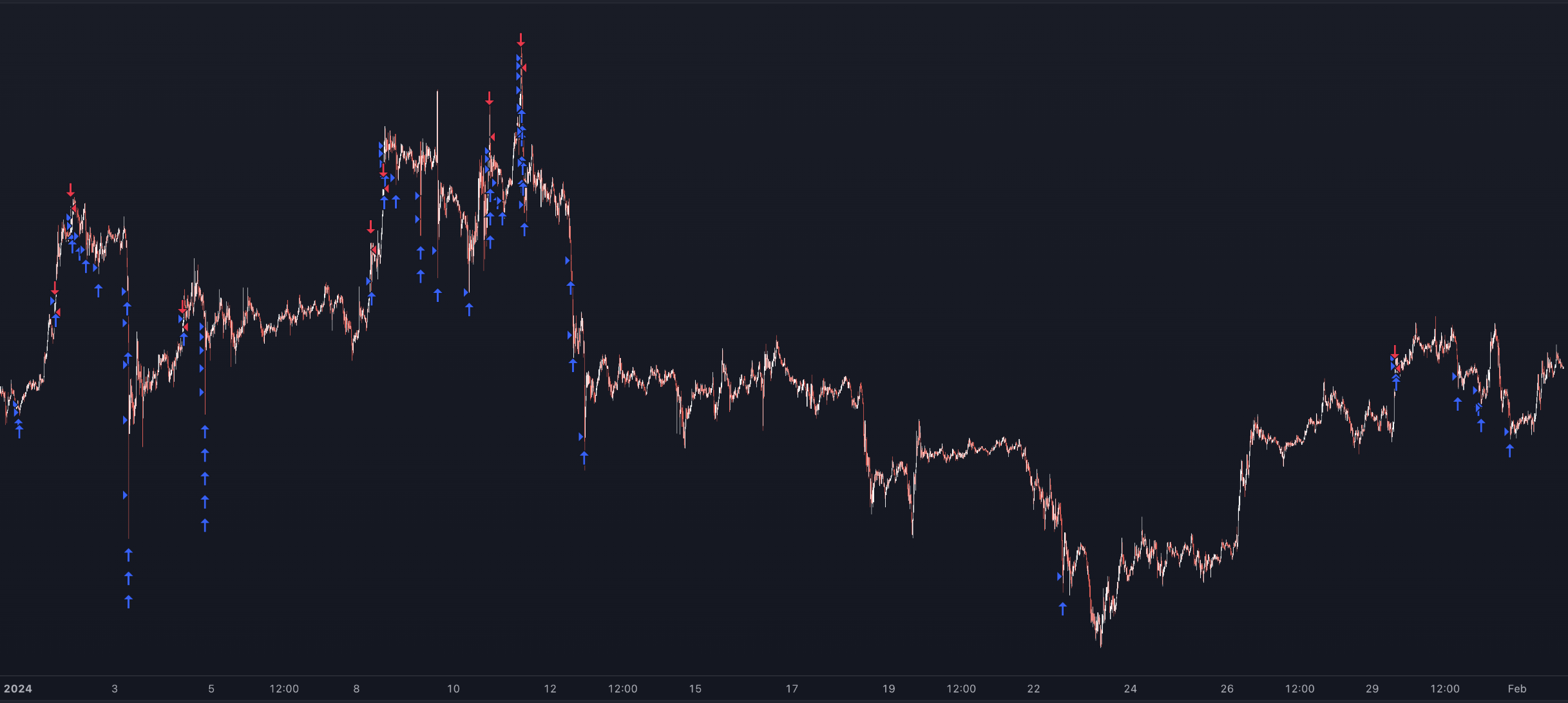
High volatility = higher profits: The bidirectional volatility enables the trading system to deploy more trades with more scale.
In this month, the strategy yielded 7.96% in closed (in BTC)
Factors impacting volatility
There are many factors that impact volatility. The reason why the vol of the asset class is higher, is due to the industry being comparatively nascent. This, combined with the higher that offshore exchanges offer help add to the vol. However vol in all markets are impacted by the following; price action (market structure) & and cyclical factors.
Market Structure
Low Liquidity: Bitcoin’s smaller market size means large trades can disproportionately move prices.
Fragmented Exchanges: Varying regulation and trading volumes across platforms create price inefficiencies.
Leverage and Open Interest: High leverage in futures/options and rising open interest magnify price swings, with during drops causing cascading sell-offs.
Cyclical / external Economic Factors
Seasonality: Holiday slowdowns or post-halving bull cycles create predictable volatility spikes tied to historical trends.
Risk Appetite/Money supply: Tight monetary policy reduces interest in volatile assets, while crises can boost demand.
Macro Conditions: Inflation, interest rate changes, or geopolitical instability.
Example Volatility Return Profile (Bybit - single account)
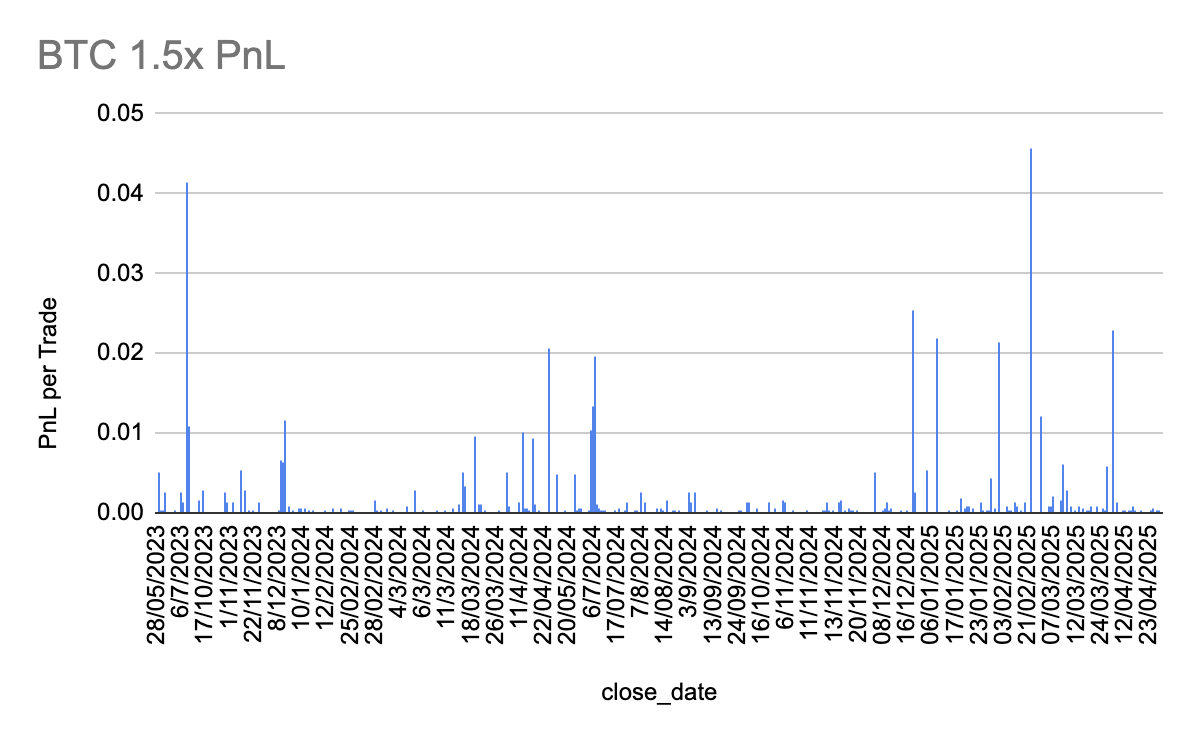
Volatility distribution: As you can see from the return profile of one account, the returns are highly distributed.
Example Growth In Equity (Bybit - single account)
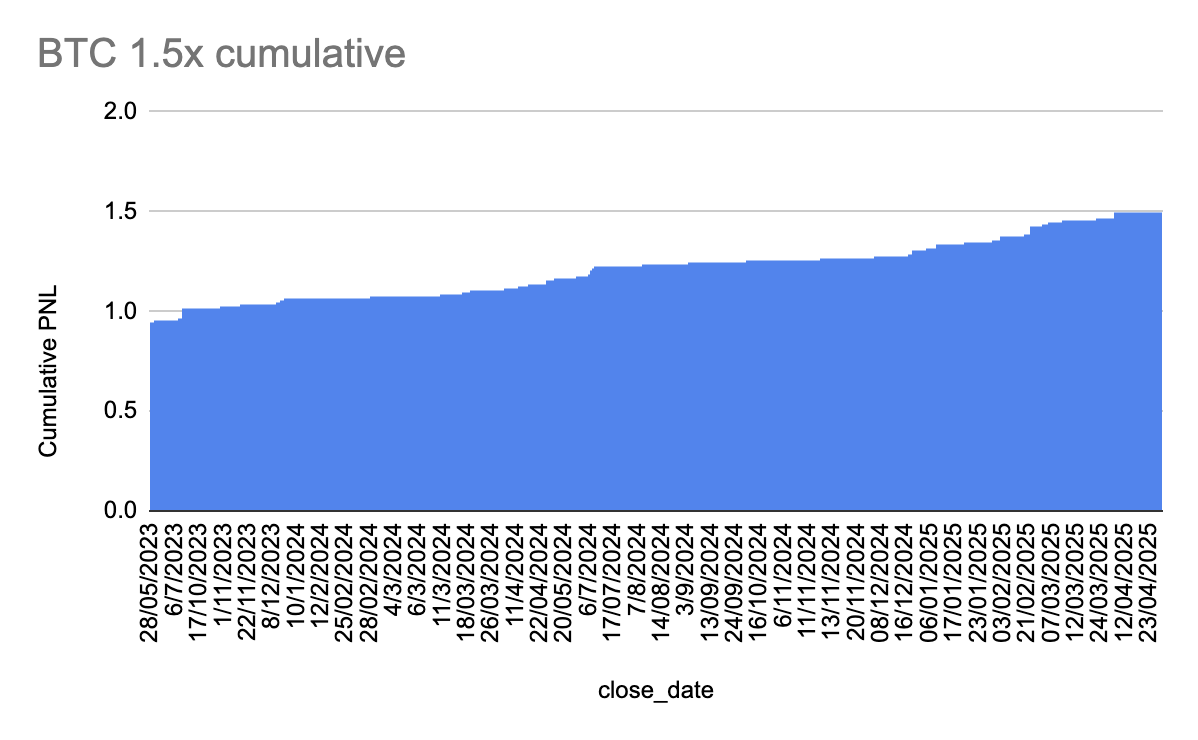
Compounded effect: However, when one considers the cumulative impact, this is what the growth in equity looks like from the returns over a period of time.